all That Moves Us: Drive, Drivers, Decisions
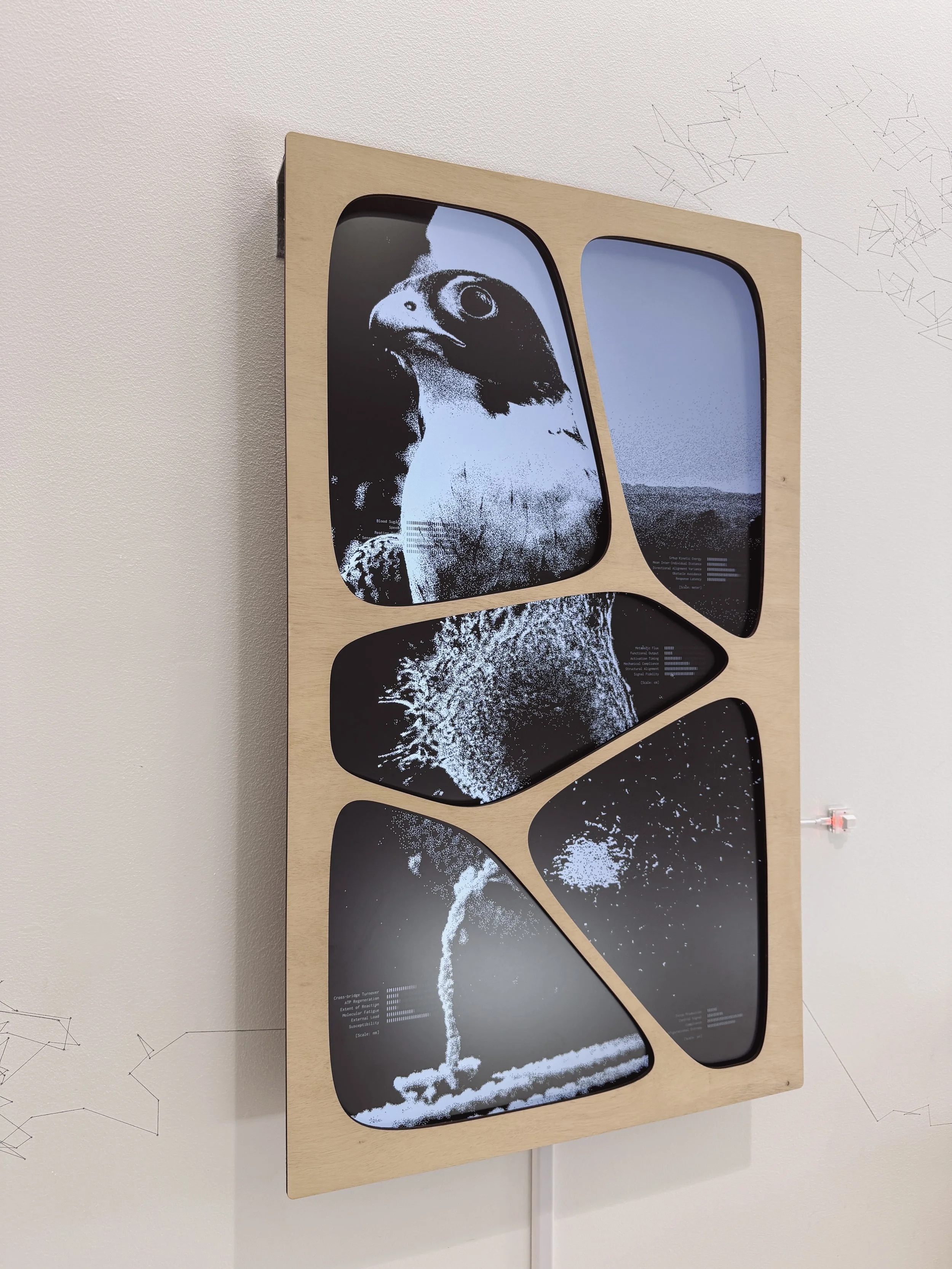
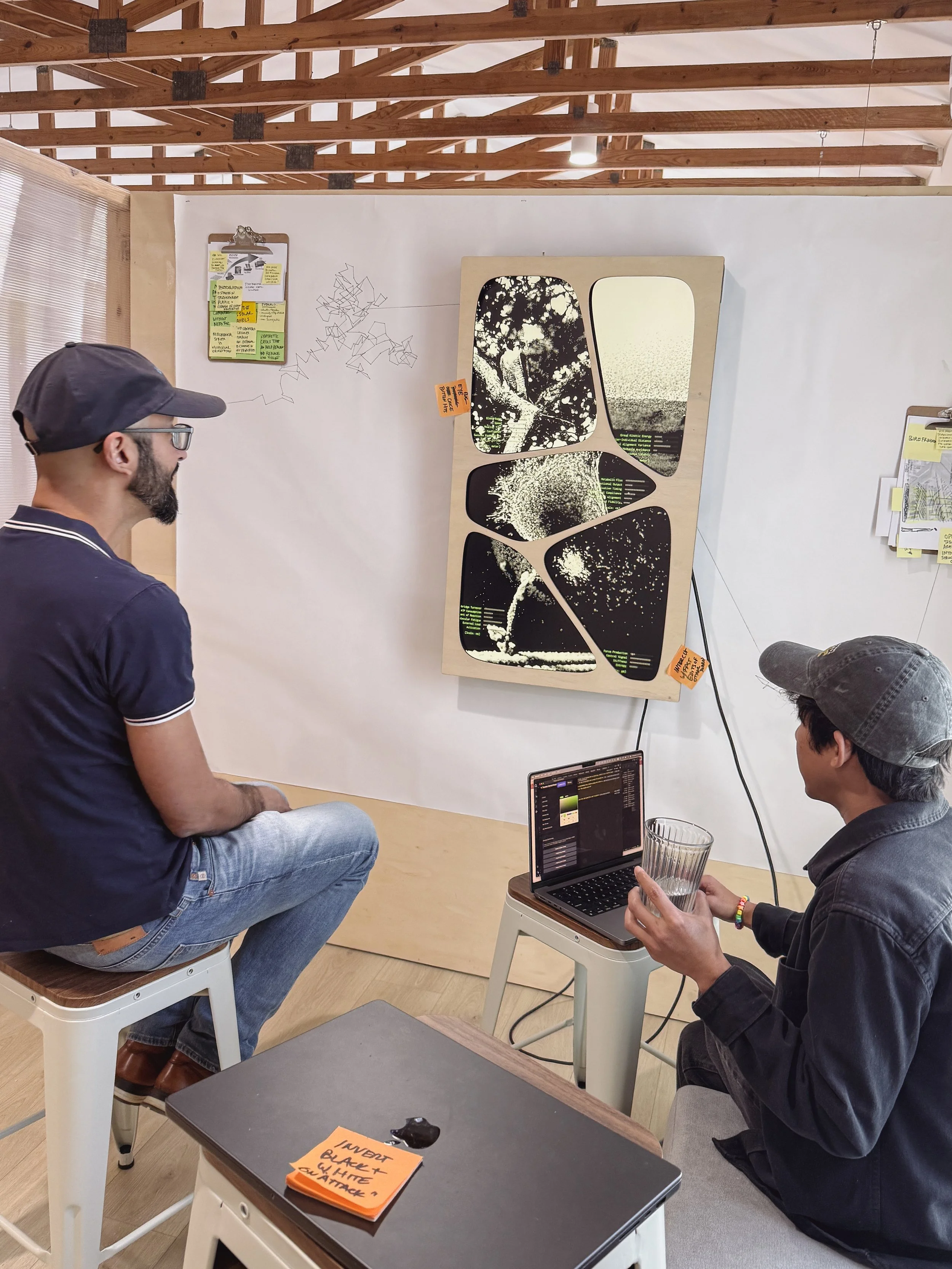
All That Moves Us: Drive, Drivers, Decisions is an interactive video artwork celebrating and exploring why living things move. Displayed on a vertical, wall-mounted monitor with Voronoi-shaped windows, the video artwork tracks biological movement across vastly different scales.
Upon approach, viewers see five video loops: a peregrine falcon surveying its environment for a meal, a gently murmuring flock of starlings, a beating heart cell, and kinesin motor proteins (which are microscopic "delivery trucks") walking along microtubules to transport nutrients.
Together, looping videos show life in motion. Sometimes living matter moves gracefully and sometimes comically, but it moves with purpose: to kill and not be killed, to respond to its environment, and to perform life-sustaining tasks.
the interactive Experience
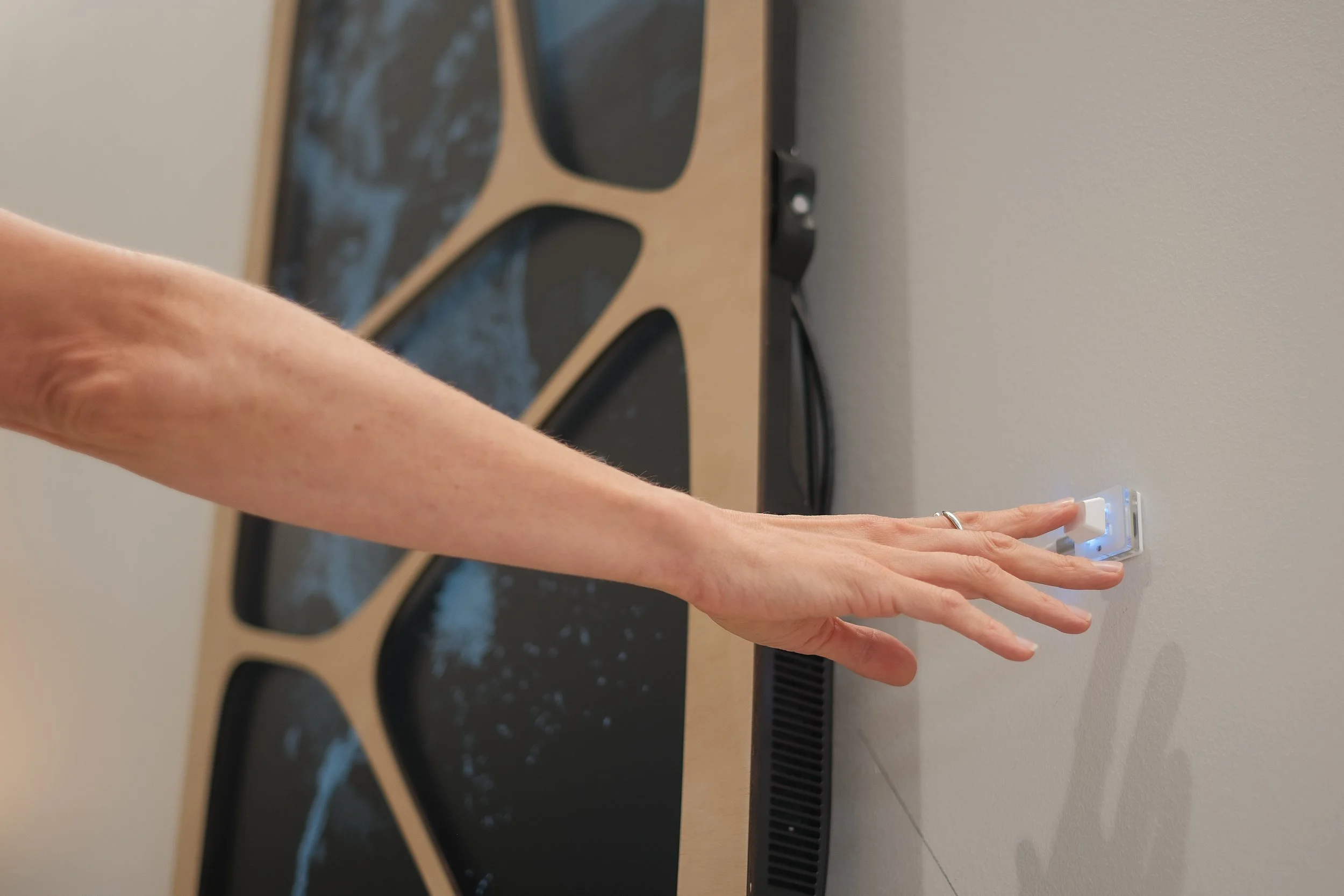
The initial video loops depict a relatively peaceful state, but when viewers push the nearby button, they trigger the shift into the dynamic "falcon attack" state.
When the apex predator attacks, it sends an instant shockwave through the entire display. The starlings scatter to elude and confuse the predator, the heart cell's pulse accelerates, and the molecular engines speed up.
Within each window, glowing data streams visualize dynamic changes in the invisible biological signals that allow the biological system at that scale to regulate itself and adapt to the disturbance.
After a few seconds, the display transitions into a "recovery" state as the engines quiet down, eventually looping back to the initial starting state.
you will have a hard time convincing me that you and I and other living creatures are not the most interesting matter in the universe.
Rob Phillips, Professor of Biophysics, California Institute of Technology
Materials: monitor, HTML, video loops, Apple Mini, plywood frame, button
Dimensions: 23”W x 38”H x 4”D
Scientific Guidance: Dr. Jose Alvarado’s Lab (ALAB), Center for Nonlinear Dynamics, UT Austin
Coding Support: Jerome Martinez
Fabrication Support: Ayushi Kate & J.E. Johnson at Texas Inventionworks, DCBLaser Cutting and Prototyping
Supported by: The Center for Dynamics and Control of Materials (CDCM), an NSF MRSEC at UT Austin
ART + SCIENCE CONNECTION
All That Moves was created during my residency at the Center for Dynamics and Control of Materials (CDCM) and my ongoing conversations with Dr. Jose Alvarado about how life stays stable even when things are in constant flux. This concept known as staying "far from thermodynamic equilibrium."
While the full exhibit explores this in different ways, Drive, Drivers, Decisions focuses specifically on how living systems decide drive movement from the tiniest muscle fibers to the behavior of entire groups.
Research Core
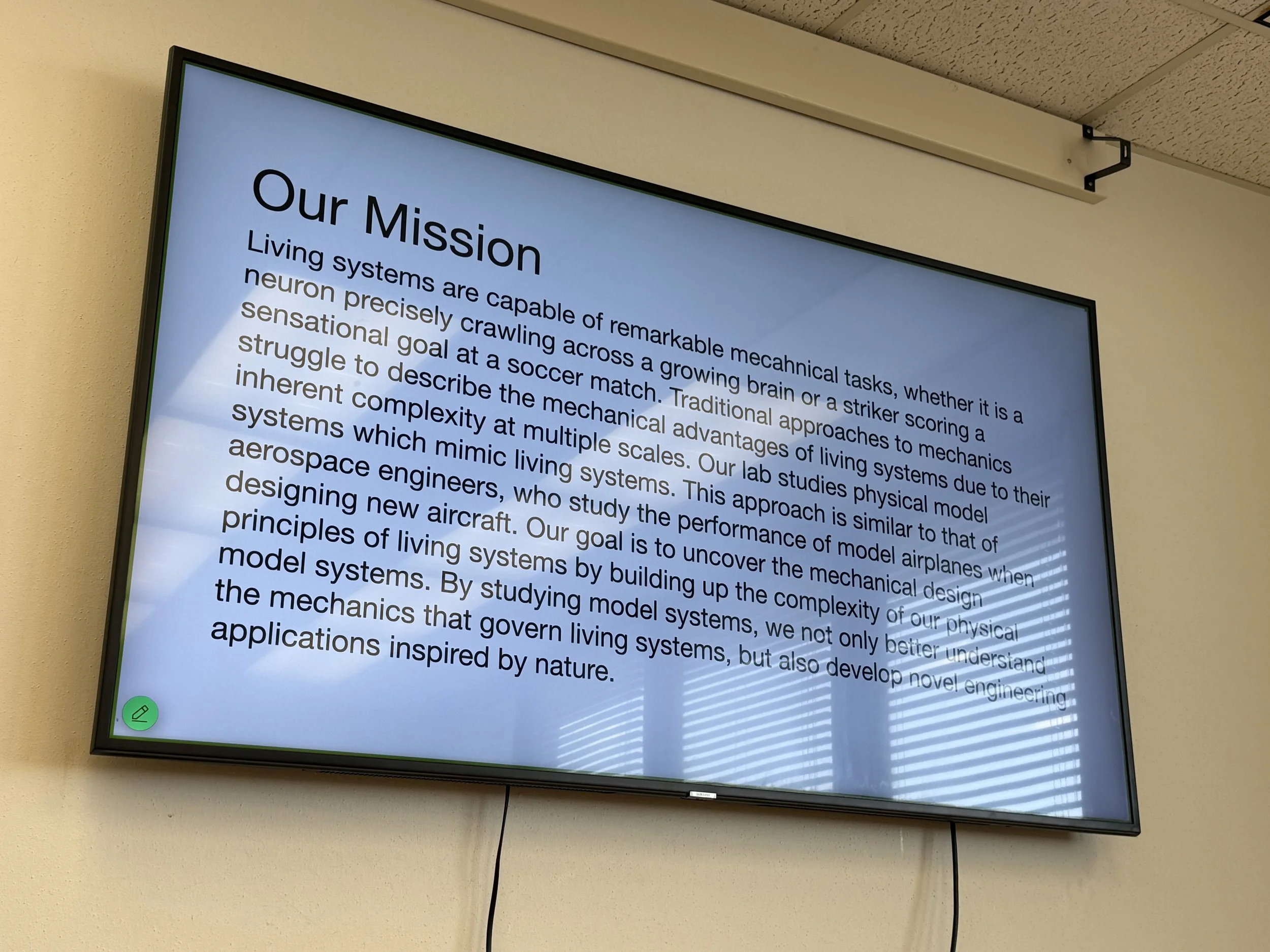
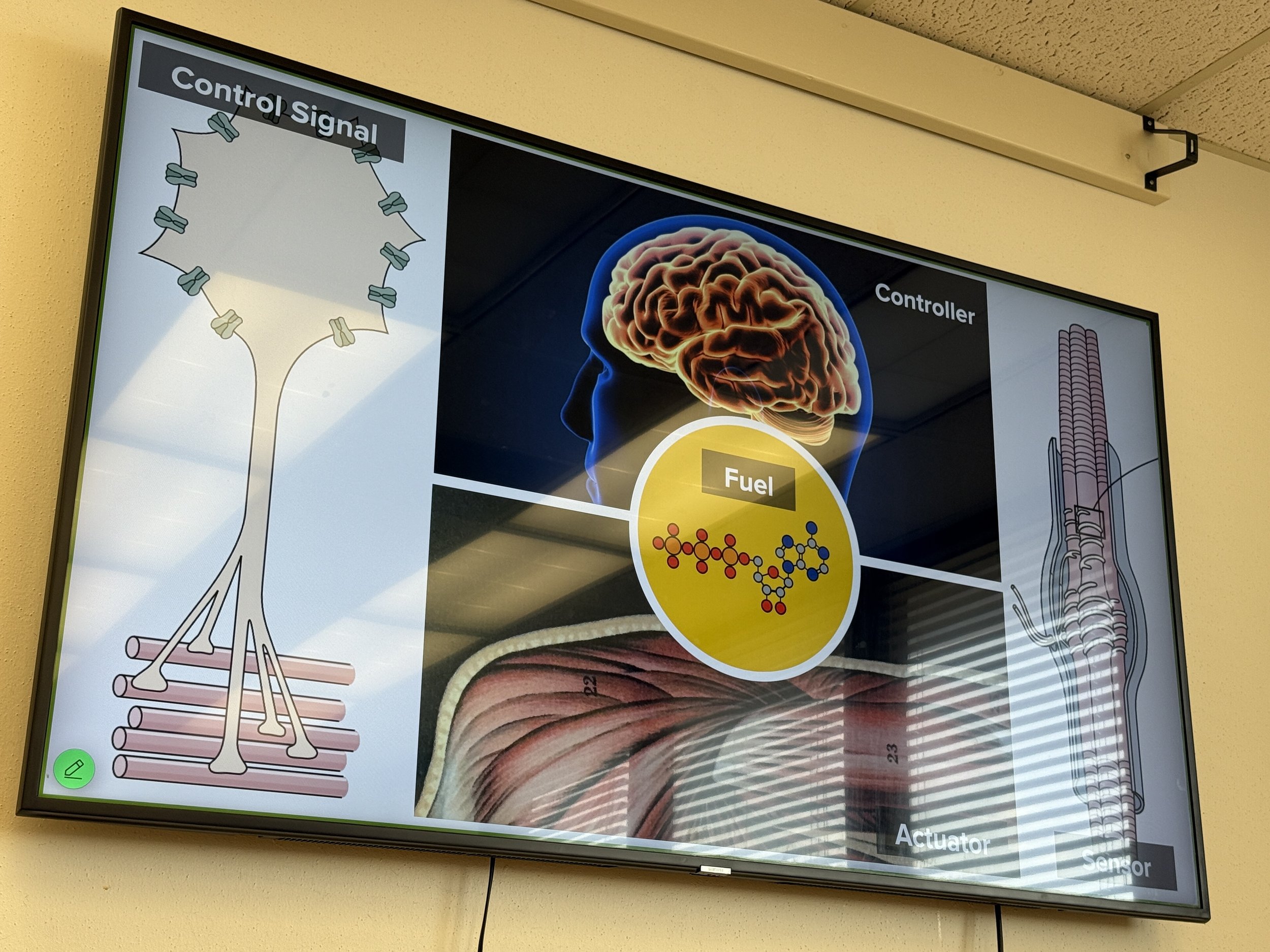
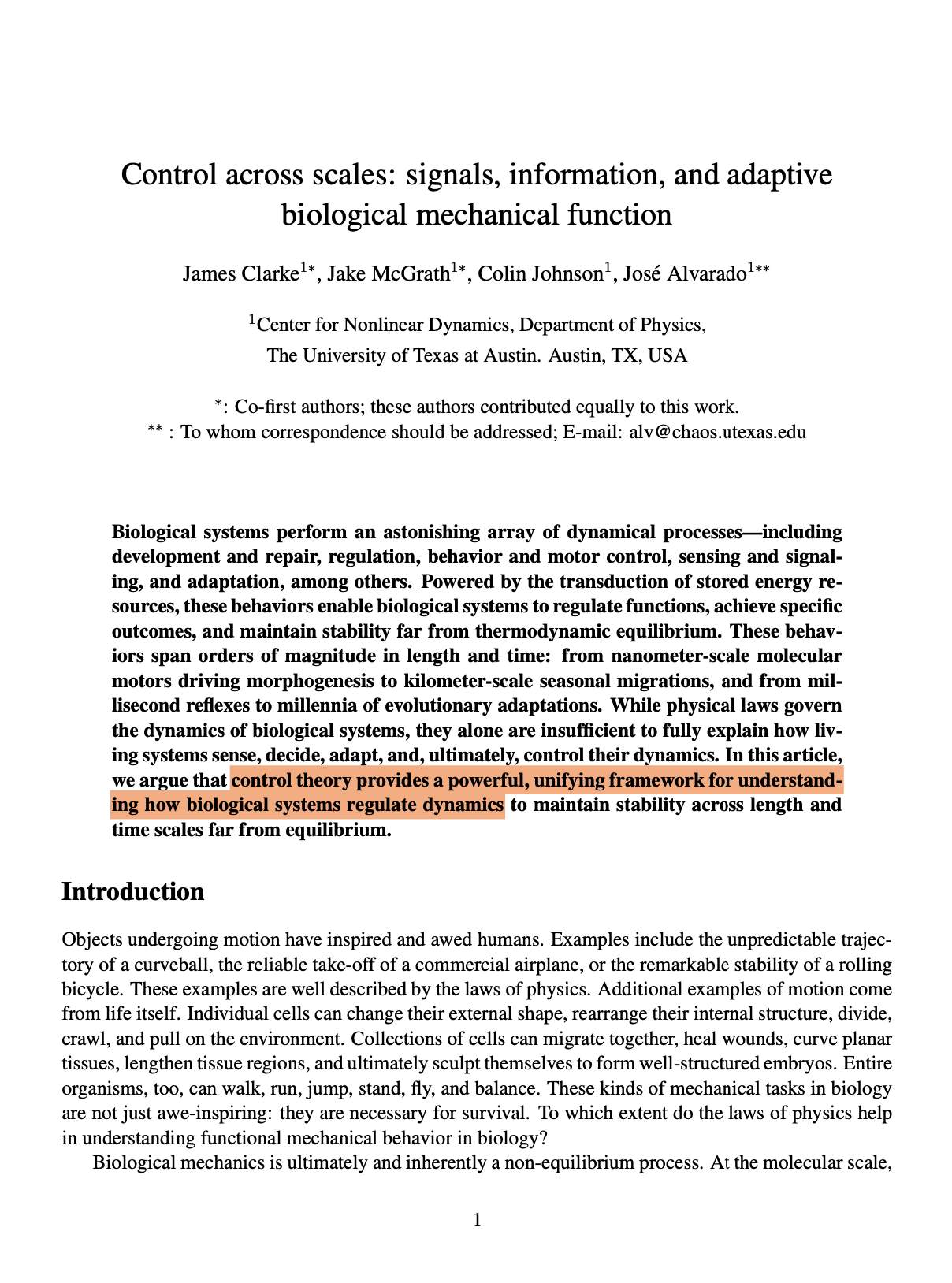
The project is rooted in Dr. Alvarado’s paper, "Control across scales: signals, information, and adaptive biological mechanical function," which outlines his latest theories on how biological systems make decisions.
To help me understand this dense academic writing, I used Google’s Notebook LLM to generate a podcast for me:
I also listened to The Materials Universe podcast that interviewed Dr Alvarado to better understand how his work fits into the bigger research goals of the CDCM.
You can listen to the podcast here.
Front Row Seat
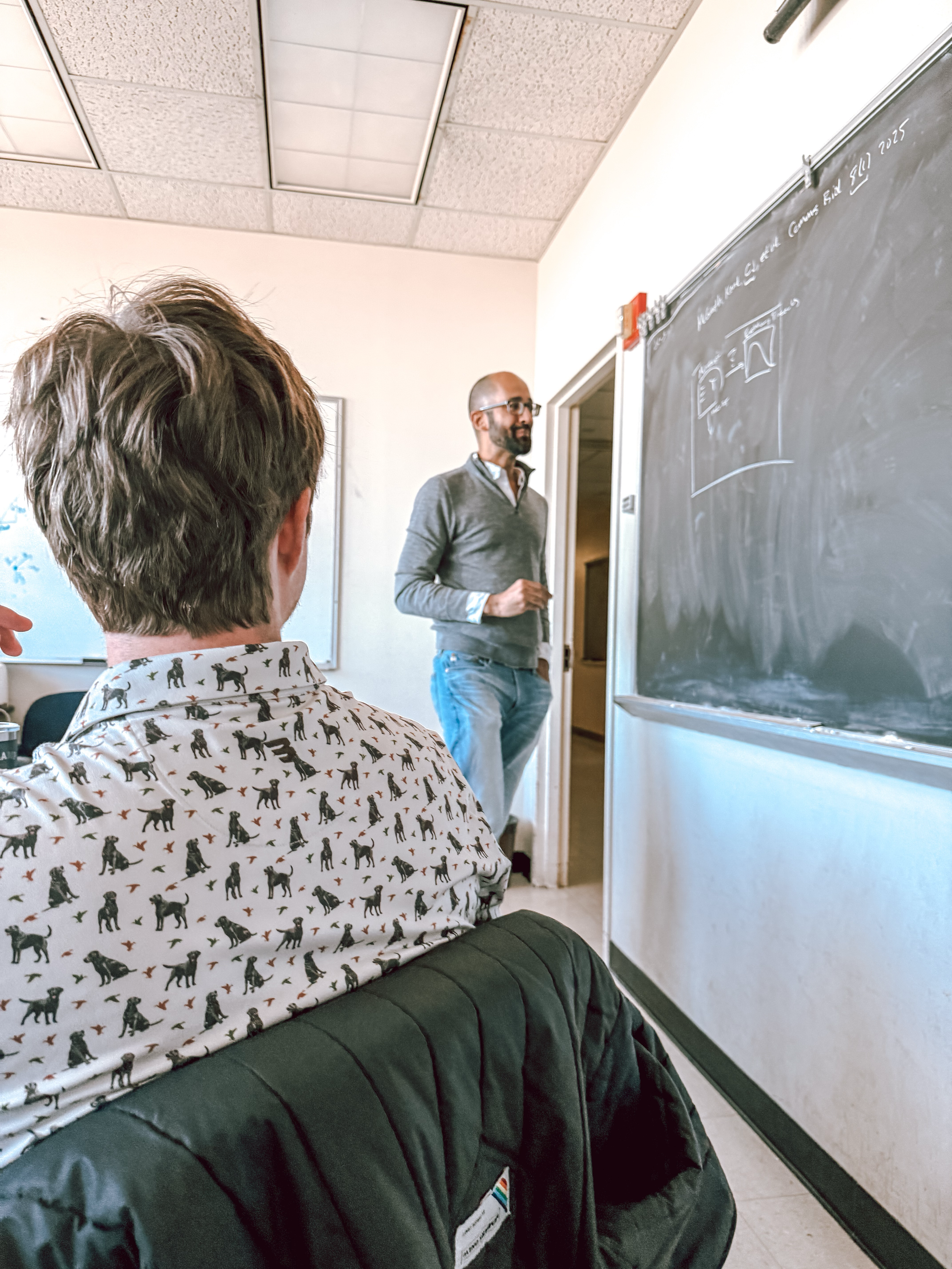
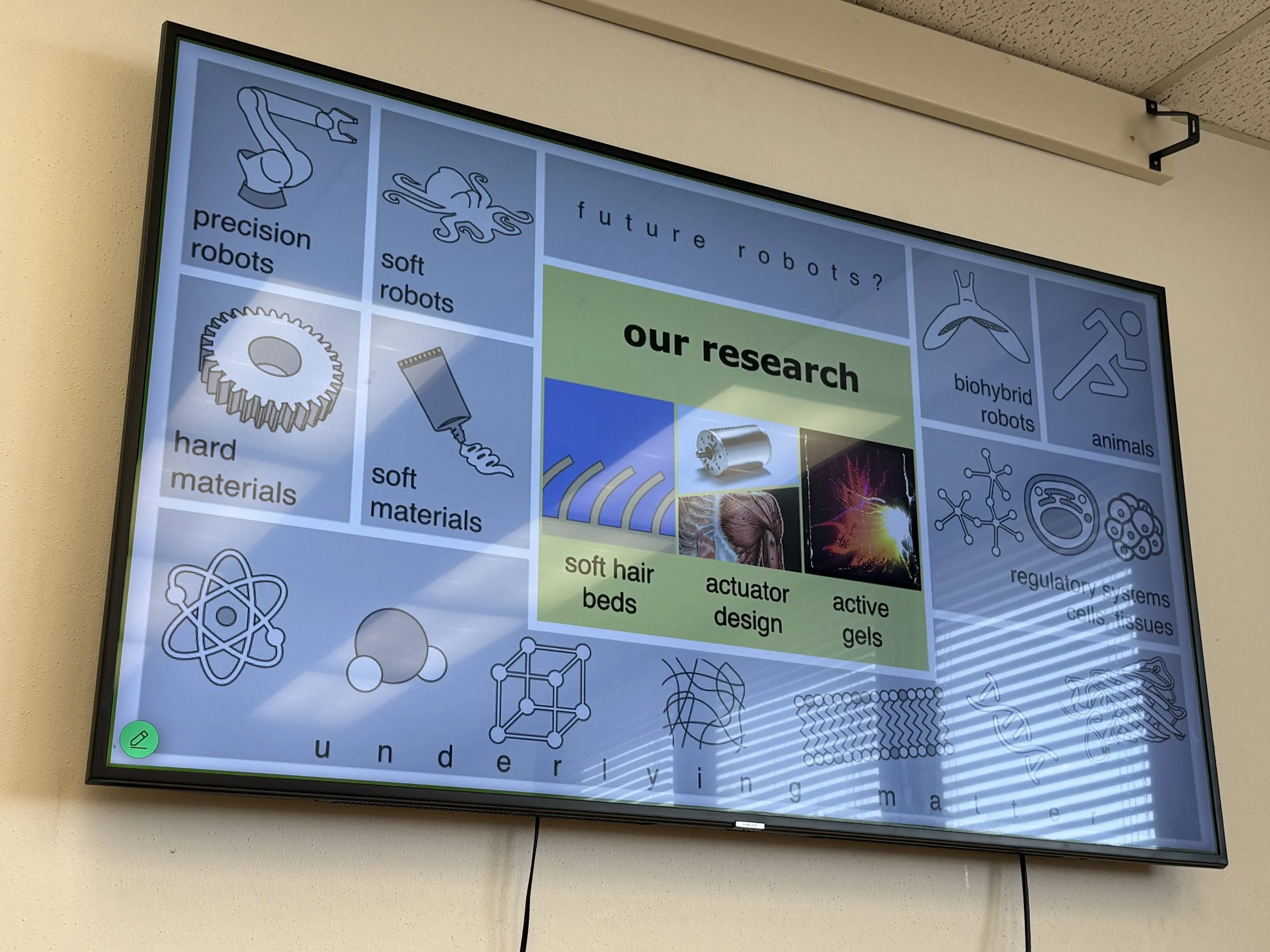
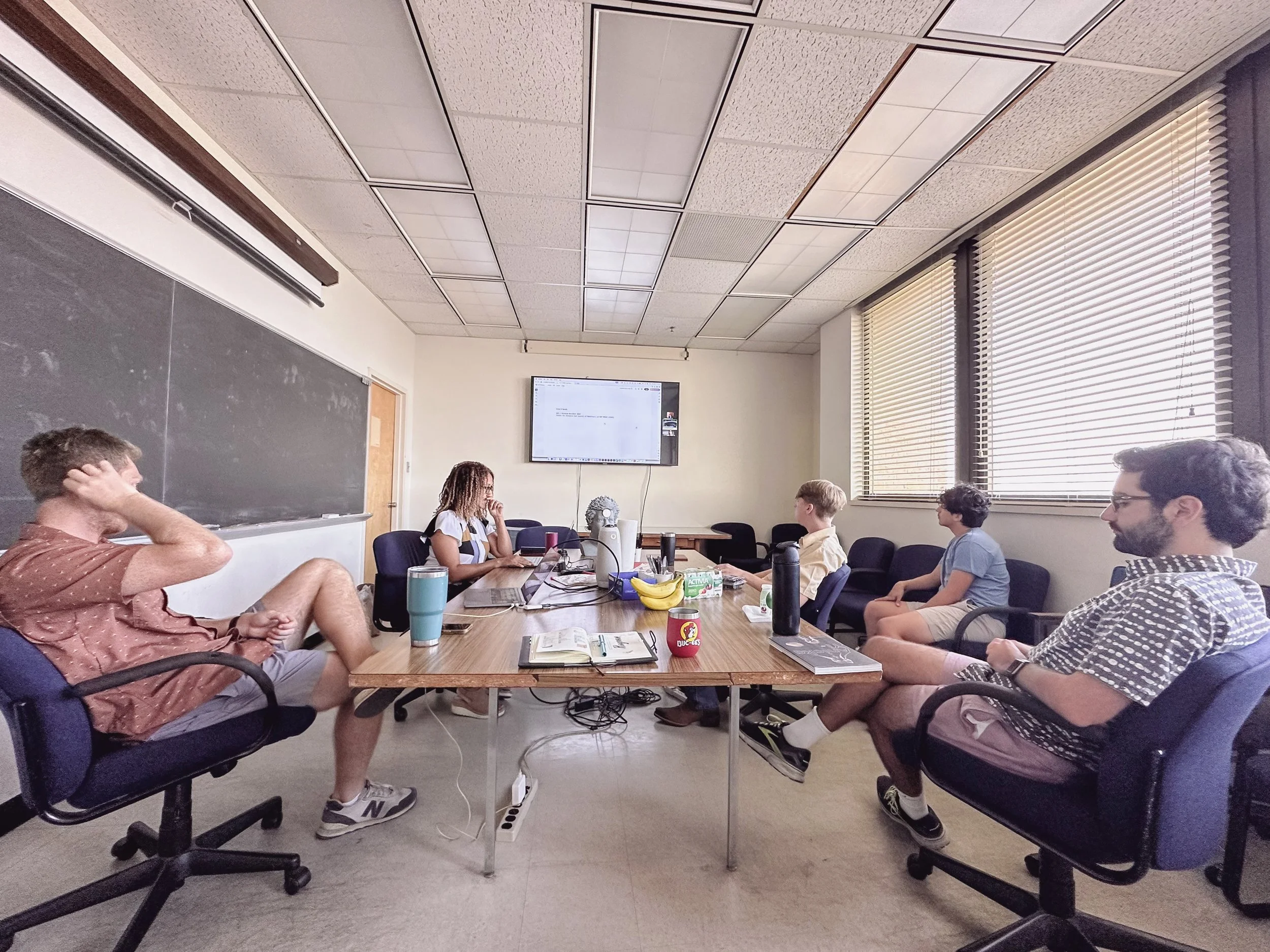
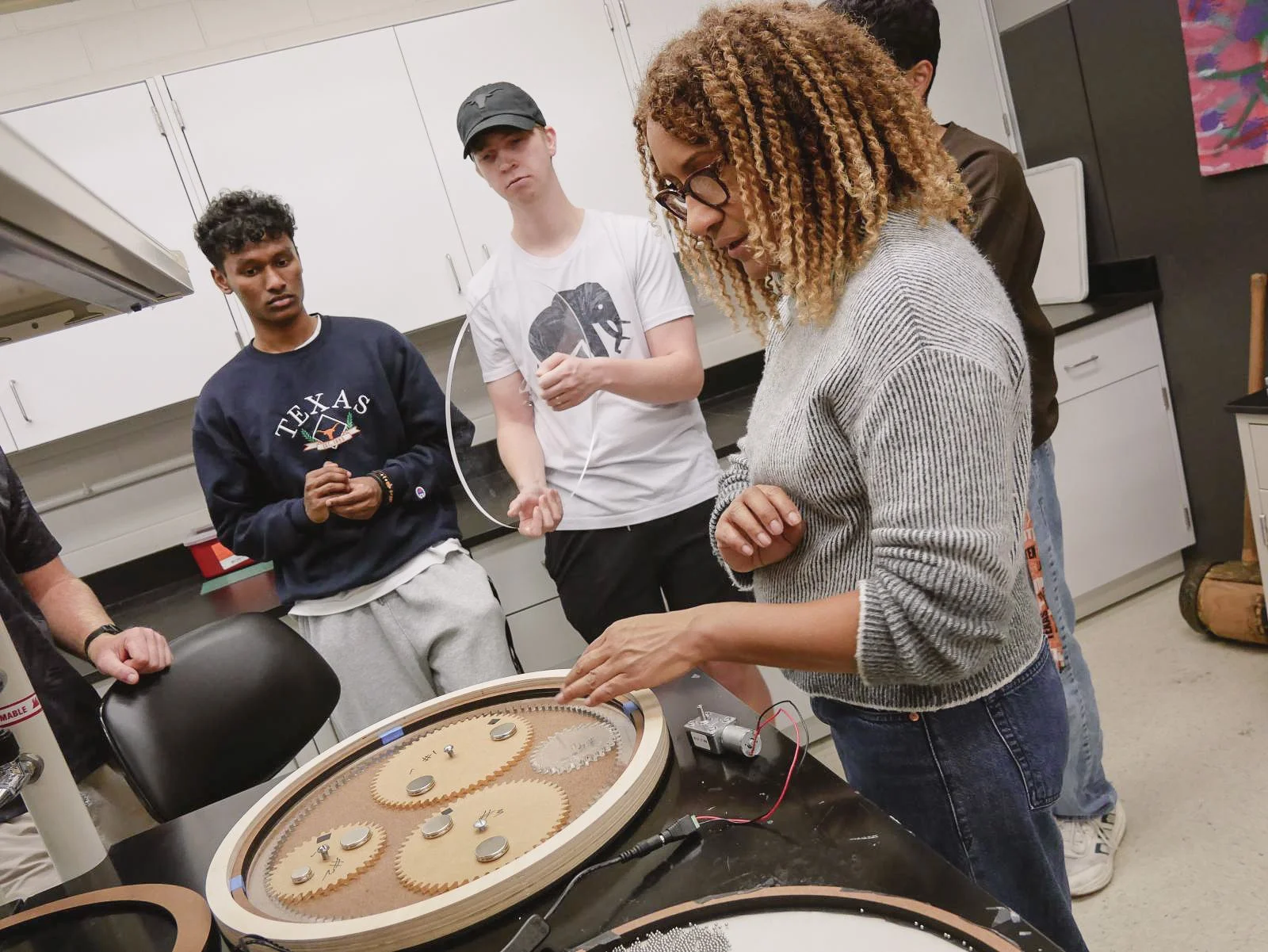
Being in the lab was the most valuable part of the process. For one semester, I sat in on internal presentations by Dr. Alvarado’s students and held regular discussions with him about his ideas.
This gave me access to exclusive videos of nanotubule motion from cutting-edge biophysics research, some of which I used in the final artwork.
Video Format
Video allowed me to show these complex systems at multiple scales. It also provided a powerful way to bridge the gap between visually unfamiliar, microscopic biological movements and the familiar, beautiful motion of animals.
To bring this all together, I dithered the footage, which is a technique that turns video into a high-contrast, black-and-white dots. Dithering helped me combine videos from a range sources (from microscopic lab data to bird flocks footage) and give them a unified, cohesive look.
Data and Dynamics
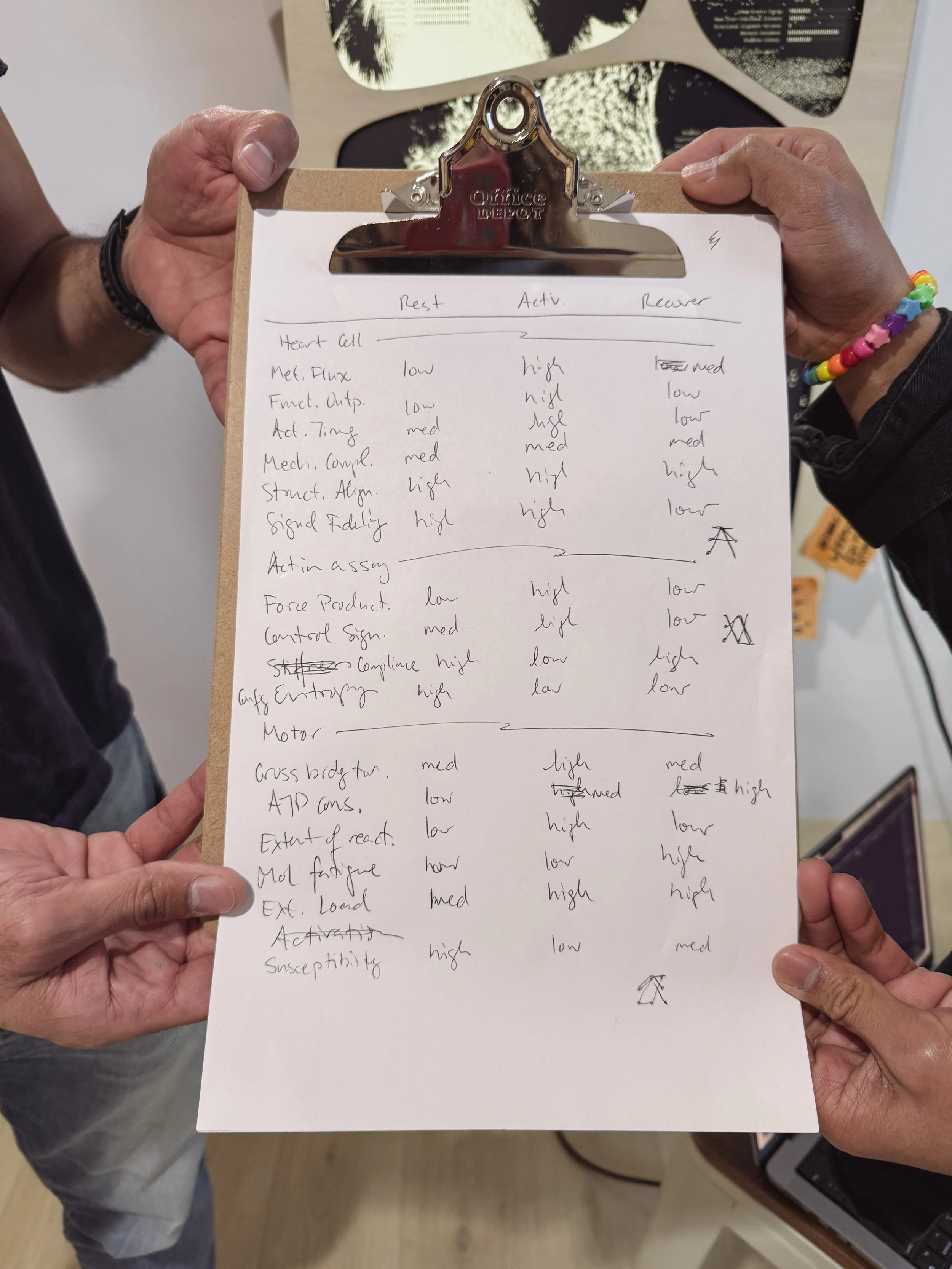
Within the work, I included data overlays for each scale of represented. These readouts displayed variables like "Sensory Confidence," "Group Kinetic Energy," and "Response Latency" to provide a window into the dynamic, nuanced adjustments biology makes to maintain stability in a changing environment. These flickering metrics offer a vibe of the sophisticated "calculations" life performs every millisecond to maintain a steady state.
Audience Interaction
By pressing the button, the viewer disrupts the resting state and forces the system to respond.
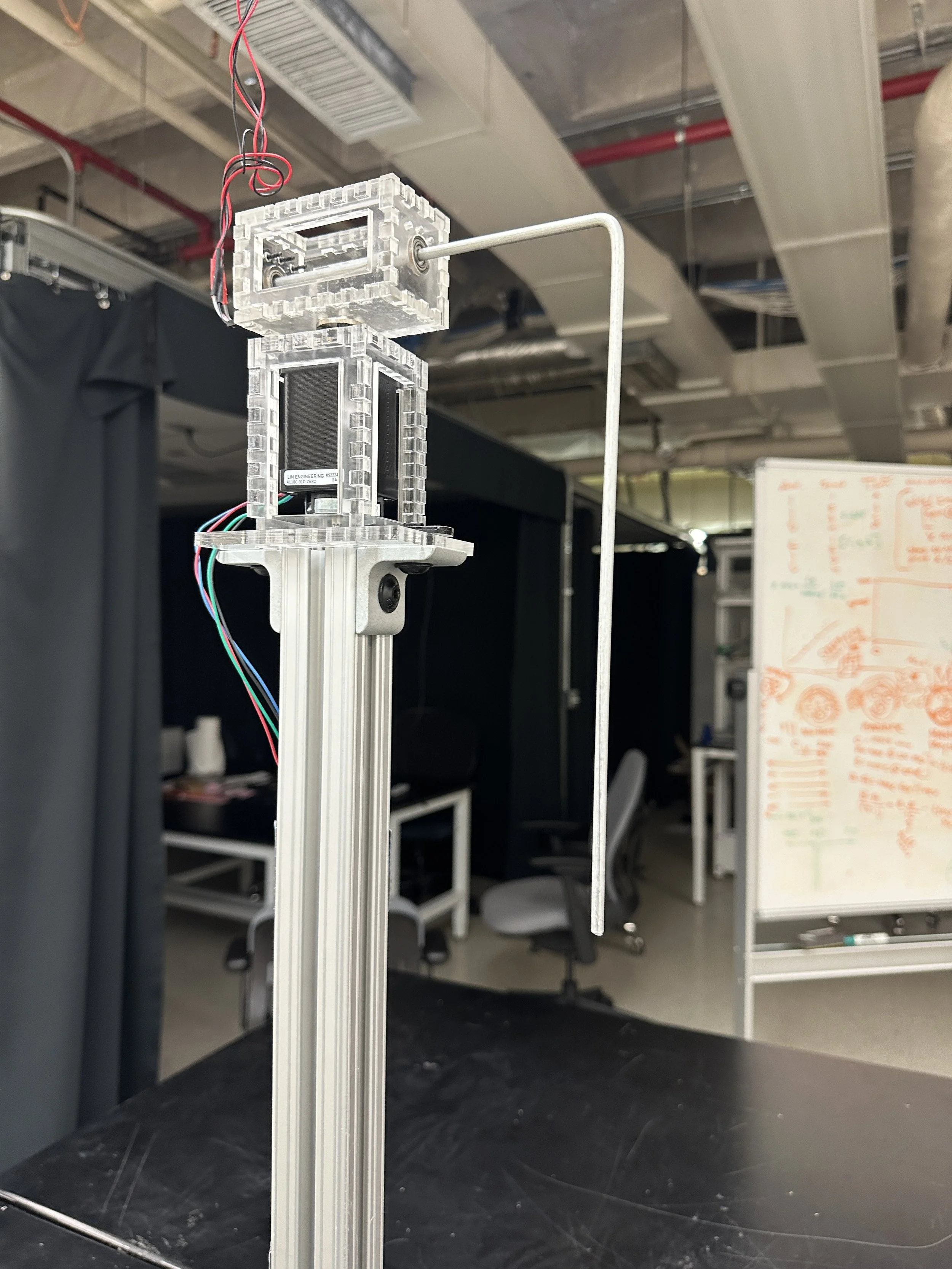
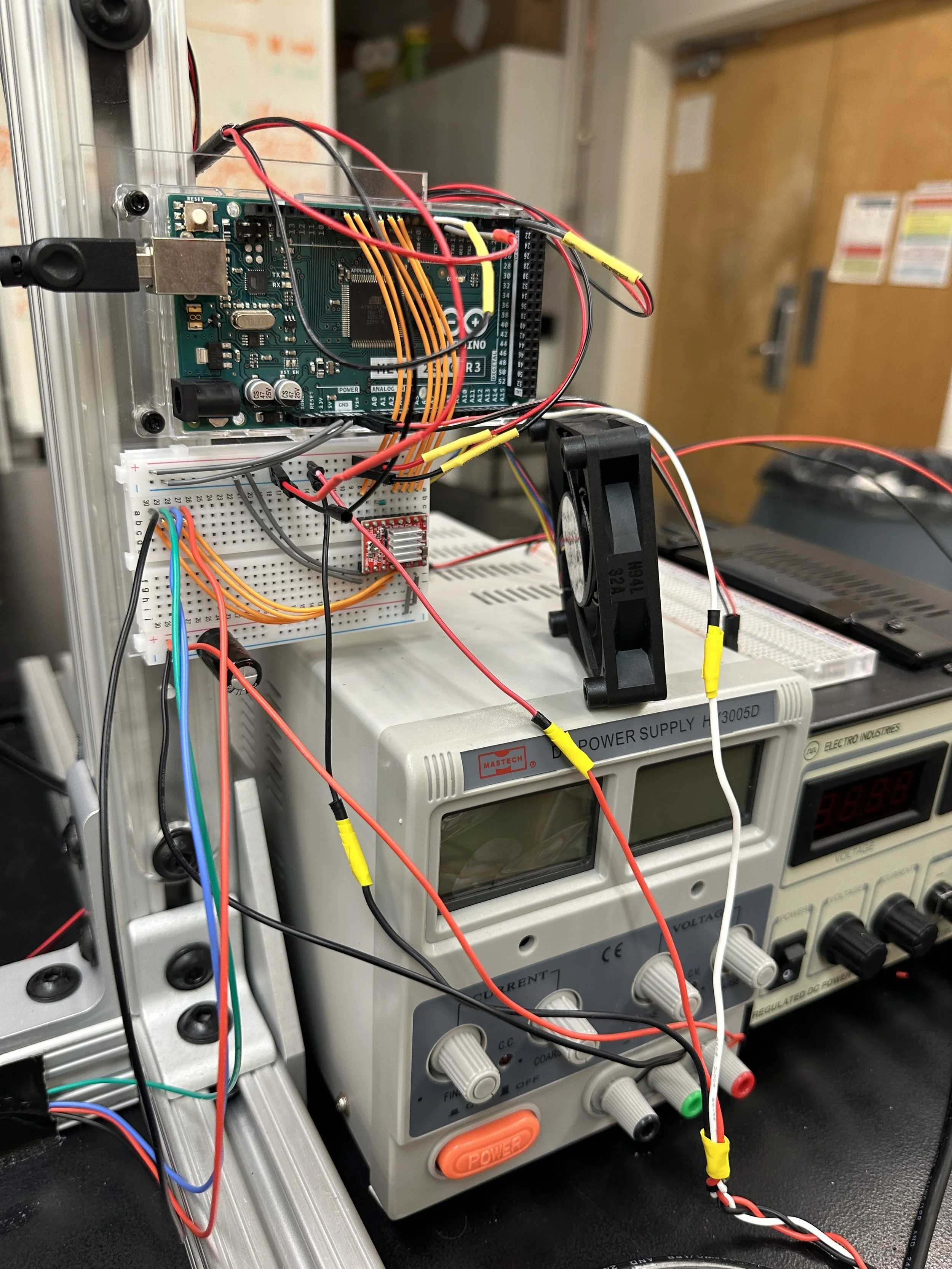
In this way, the artwork functions much like Dr. Alvarado’s upright robotic pendulum: it is a system that must constantly expend energy, utilizing both feedforward (anticipatory) and feedback (reactive) mechanisms to rebalance itself and return to a stable state after a disturbance.